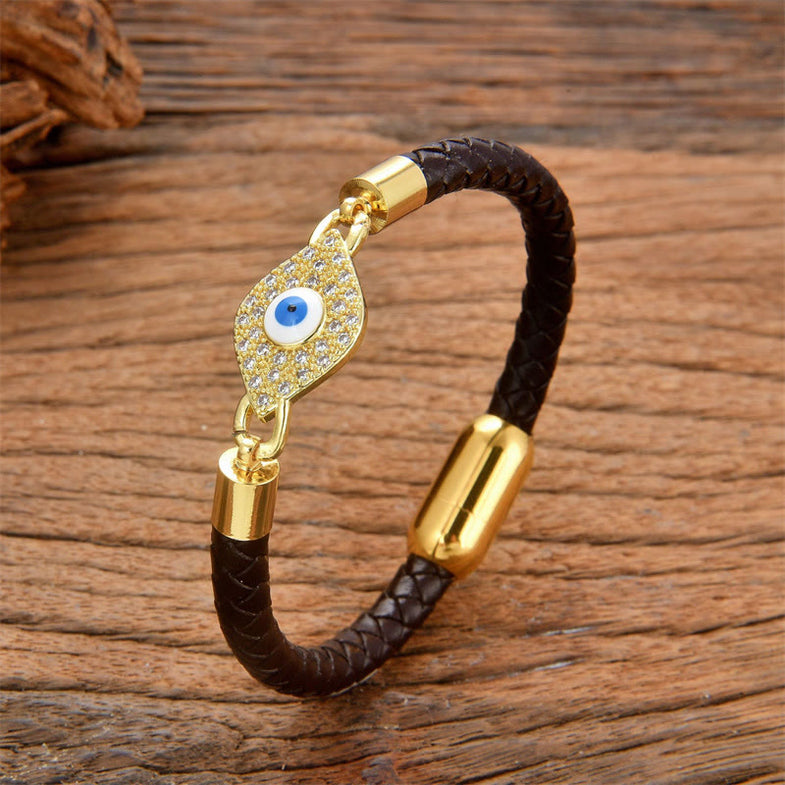
Since antiquity
Over spans the evil eye has remained a common icon within communities globally. This classical concept is based on recognizing that a malevolent glare, regularly emerging due to covetousness or cruelty, might lead to adversity. Defensive charms, commonly displaying a striking blue emblem, are sported to counteract this damaging impact. They perform as a warding enclosure, returning the destructive impacts to their root and guaranteeing comfort for the person. Many discover tranquility and shielding through this symbolic ornament
Chic Security: Evil Eye Ring Movements
The current movement in accessories is undoubtedly the evil eye band, offering a unique blend of fashion and ancient protection. These dazzling trinkets, highlighting the recognized teal mark, proliferate everywhere, extending from premium outlets to virtual plazas. Buyers are progressively attracted to their understated allure and the faith that they repel harmful vibes. Whether you’re searching for a simple accent piece or a bold accessory, the evil eye ring remains a popular choice, expressing a distinct portrayal of beauty and a longing for secure prosperity.
Recognizing the Damaging Glare: Safety Items and Wholeness
The historic conviction in the malevolent gaze is common among numerous societies, notably across Mediterranean and Levant areas. It affirms that a wicked scowl, regularly caused by rancor or envy, may lead to calamity for the addressee. To stave off this thought opposition, people have generally exhibited talismans and bracelets, and today, jewelry featuring the iconic blue eye is a popular choice. These striking items, commonly built from stone, are considered to reflect negative forces, encouraging happiness and functioning as a personal safeguard versus the wicked impact. Numerous think adorning these ornaments provides calm and protects from damage.
Outside Popularity: How Evil Eye Shielding Operates
While often perceived as a fashionable accessory, evil eye guarding adornments feature historic beginnings associated with spiritualities across diverse nations. The tradition derives from the idea that bad influences are sent by jealous stares, conceivably resulting in injury. These baubles – embracing bands, medallions, and hoops – are perceived to resist this toxic presence by mirroring or weakening it. Many configurations show the distinguishable evil eye protection jewelry blue eye emblem, regularly linked with other protective tokens such as the Khamsa hand. It’s more than mere aesthetics; it involves possessing a sign of metaphysical protection.
- Blocks ill influence.
- Supplies mystical shelter.
- Works as an indication of prosperity.
The Tradition & Meaningfulness of Nazar Jewelry
Rooted in traditional communities of the Near East, blue eye circles possess a long tradition. Seen as safeguarding versus the damaging glare, their value is linked to blocking misfortune. Initial patterns emerged as fortunate tokens and keepsakes worn by societies hoping for defense and well-being. The symbol of the gaze, frequently portrayed in hues of azure and silver, aims to deflect damaging forces towards the originator. Through periods, the observance has circulated universally, with nazar bands assuming a common role as protective and stylish tokens.
Finding Ideal Evil Eye Charms for Your Preferences
Picking the best blue eye amulet might be complex, but appreciating its value is essential. Deliberate over the nature of preservation you look for. A cerulean ocular emblem is conventionally considered to prevent ill effects, while distinct pigments – such as vermilion or saffron – may deliver extra protection layers. Reflect on the scale and fabric also; a tiny trinket is understated, whereas a larger item offers a noticeable highlight. In conclusion, prefer a jewel that aligns with your mindset and feels appropriate.
Blue Eye Ornaments: An Overview of Substances and Meaning
Across centuries, the nazar has represented a commanding emblem protecting from damaging presences. Generally utilized among different communities, significantly along Southeastern Europe, blue eye trinkets surpass fashionable goods; they are traditional symbols. The typically seen substances comprise enamel, largely produced to imitate a sapphire vision, despite other pigments like lime and scarlet being involved. The optic symbol embodies an outward look, intended to deflect negative negativity, and is usually accompanied by other warding icons like the Khamsa, composing an intricate network of mystical trust.
Stacked Defense: Designing Your Blue Eye Bauble Group
Designing a charming tiered grouping of your evil eye ornaments surpasses appearance; it magnifies defensive aura. Commence your multilevel look with a fine collarbone adornment, then add wristlets of varying sizes, allowing each pendant to shimmer. Remember finger loops on both palms—a meaningful addition. Finally, a statement evil eye pendant on a longer chain can create a powerful focal point. Experiment with metals like gold, silver, or rose gold to complement your personal style and create a truly personalized protective ensemble.
Nazar Bands: More Than an Attractive Adornment
Beyond their appealing appearance, evil eye rings have a rich history, at first derived from old customs of the Middle East. Those unique bands outgrow mere trendy additions to your ensemble; they’re said to provide significant shielding from the negative glare – what observers name the “spiteful look”. Sporting one is considered a means to deflect toxic forces and ensure blessings for the individual.