Throughout countless generational spans,
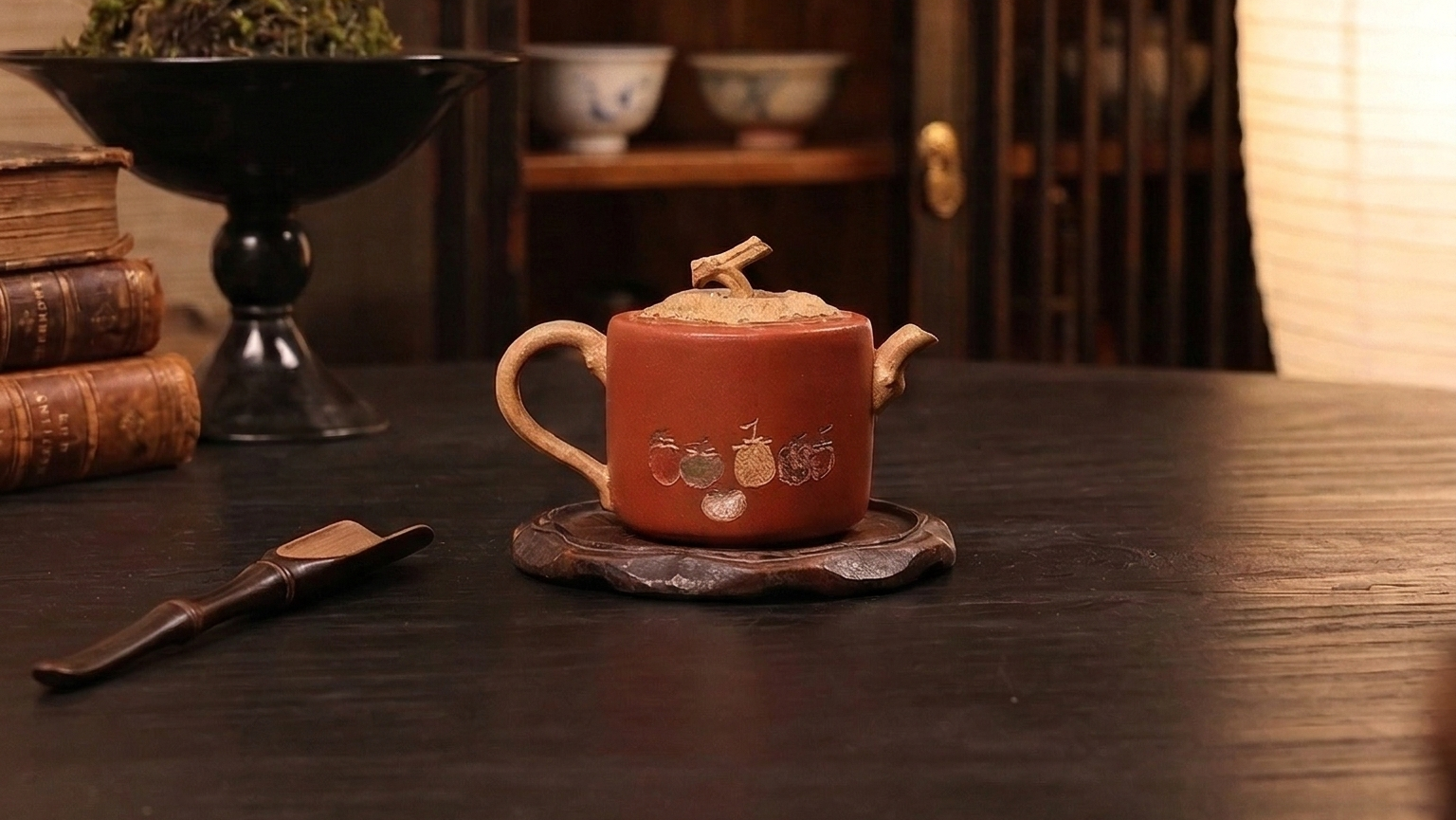
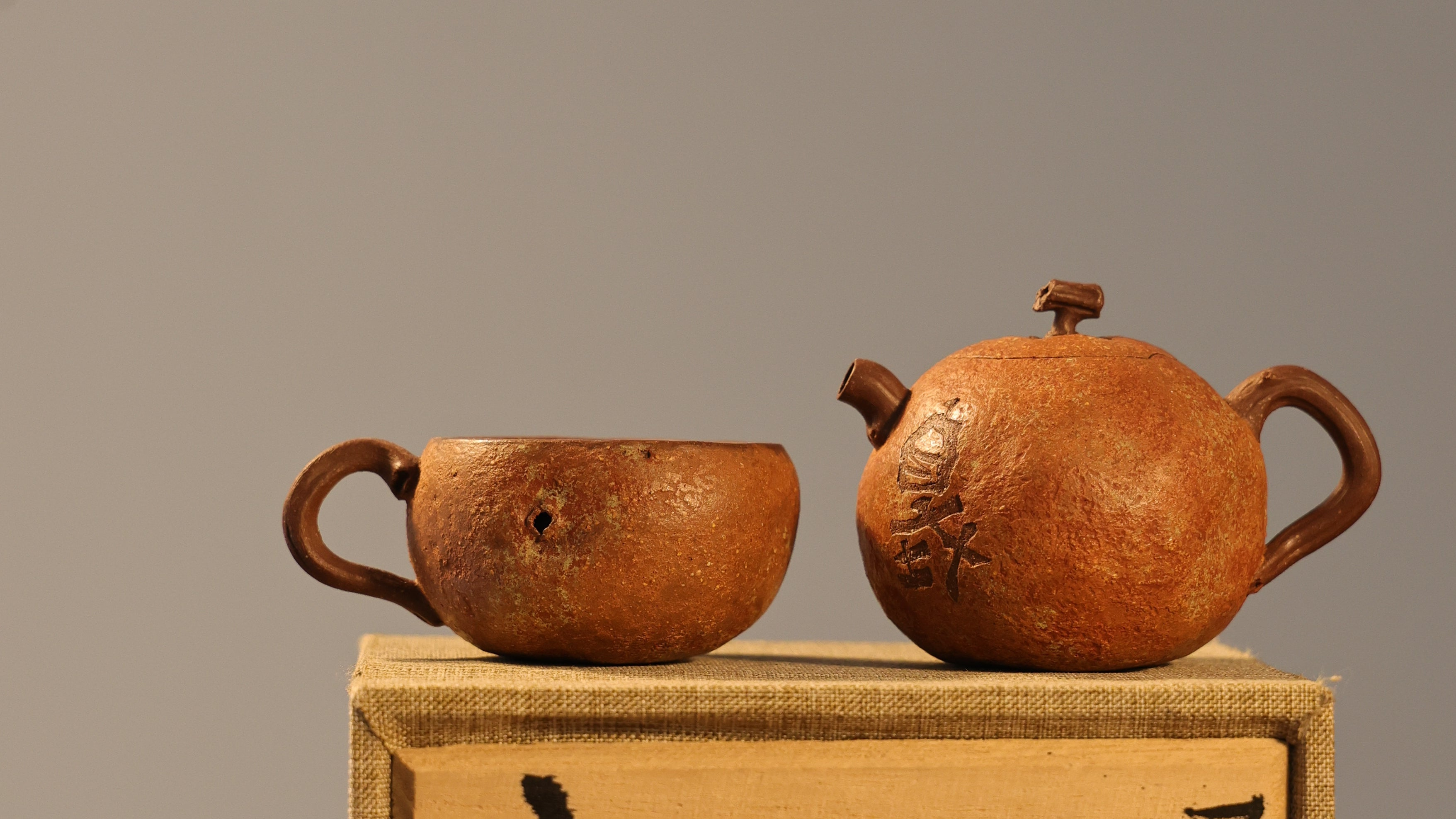
Amidst ages, devotees have been engaged by the distinctive charm of Yixing Zisha containers. Originating from the district of Yixing in China, these artifacts are renowned for their distinguished beauty, exclusive clay, and built-in ability to refine the flavor of the brew. The earth's distinctive reddish-purple hue, combined with the expert construction of indigenous sculptors, creates products that are equally functional masterpieces and coveted endowments. Possessing a Zisha teapot is more than just specific purchase; it's seizing a rich ancestral heritage.
Investigating Yixing Teapots: Narrative, Forms, and Price
The notable Yixing teapots serve as a deep past deeply intertwined with Chinese culture. Emerging in the Yixing region of Jiangsu province, these clay vessels boast a heritage extending back to the Ming Dynasty. Initial examples were functional, but over centuries, Yixing teapot building evolved into an esteemed art form. The clay itself, known for its unique vitality and ability to raise the flavor of the tea, endures a defining factor. Yixing teapots arrive in various designs, broadly categorized by shape: Classic such as Zhuni (purple clay) and Bisheng, as well as custom designs. The esteem of a Yixing teapot rests on several factors, including the potter’s name, the age of the piece, the rarity of the clay, and its aesthetic quality.- Story: Prime eras
- Soil: Multiple varieties
- Appraisal Elements: Age
Zisha Teapot Mastery: Art and Makers
Distinct construction of a authentic Zisha teapot is a complicated process, requiring generations of mastery. Seasoned artisans meticulously source the excellent Zisha clay, a uncommon earth found only in specific regions of China. Time-honored techniques, often bequeathed through families, involve accurate shaping, nuanced carving, and deliberate firing in ancient ovens. The culminating teapot isn't merely a holder; it's a testament to artistic vision and the serious connection between the craftsman and their background. Each object showcases the special touch of the craftsman, resulting in a truly rare work of expression.
Chinese Earthenware: Exploring the Extensive Heritage of Yixing Province
This Yixing, found in Jiangsu the province of Jiangsu, is extensively renowned for its exceptional clay pots – a tangible representation of centuries of Chinese tradition. These aren't merely vessels for processing tea; they are intricate works of mastery, often reflecting traditional ideals. Yixing's unique purple Yixing Zisha Teapot clay, known as Zisha, possesses notable qualities: it dense, open to air, and imparts a subtle nuance to the tea.
- Several households have honed the techniques of Yixing earthenware making, passing down ancient methods through eras.
- Followers prize these pieces for their elegance and exclusiveness.
- Particular vessel tells a legend, connecting the recipient to a rich legacy.
Exploring Yixing Zisha: What to Look For
During analyzing procuring Yixing Zisha vessels, various criteria expect careful assessment. Firstly, the material's shade is noteworthy; authentic Zisha conventionally exhibits a pronounced reddish-brown shading. In addition, scrutinize the skill; meticulous traits and a clean veneer indicate skillful artistry. Lastly, determine the creator’s record; well-known names obtain superior rates and often afford a secure gain.
Mastering Tea Brewing Using a Zisha Pot
Preparing delicious tea with a Zisha teapot is more than a simple custom; it's an technique. Zisha clay, acclaimed for its unique chemical composition, imparts a soft character to the composed tea that’s often gone with other pots. The proper water heat is key; typically, moderated than what's used for black tea, to sustain the tea's bouquet and character. Consider attentively the tea variety; delicate green teas or aged pu-erhs advance from the Zisha’s ability to lessen their original edge. It’s vital to rinse the teapot before brewing, and to neglect over-steeping. Mastering this craft leads to a sincerely exceptional tea enjoyment.
- Recognizing Zisha Clay
- Temperature Control & Tea Category
- Criticality of Initial Heating
Preserving Your Yixing Ceramic Pot
So as to guarantee the life of your prized Yixing ceramic pot, steady upkeep is decisively crucial. Never using harsh substances; instead, mildly rinse it with comfortably warm solution. Ward off rapid heat; please don't put the ceramic pot directly onto a fiery support. Periodically, prepare the teapot by soaking it with fine matured brew, as this facilitates to improve its quality and preserves the special attributes of the element.
Concerning Substance to Vessel: The Development of a Zisha Utensil
A creation of a Zisha teapot is a exceptional approach, a symbol to both the environment’s bounty and the expertise of the fabricator. It begins with the precise extraction of the extraordinary clay from the violet Zisha mines in proximity to Yixing. This prime material, known for its superior properties, is then patiently washed and configured for the initial forming. The jar’s profile is expertly constructed using a amalgamation of longstanding shaping procedures, often incorporating sophisticated patterns. Following maturing, the urn undergoes a paramount first firing, succeeded by a finishing stage, which might involve several different layers of unprocessed Zisha slips. Finally, a second, and sometimes third, firing at intense temperatures finalizes the object, revealing its finished beauty and fantastic characteristics - a true masterpiece, prepared to adorn a tea practice.
{Yixing Teapots: A Reflection of a Customary Practice and Appreciation
This Yixing teapots, originating from the well-known Yixing region of Jiangsu province, are far more than mere receptacles for brewing elixirs; they represent a meaningful aspect of Chinese civilization. Fabricated from distinctive purple clay – zisha – these special teapots are highly appreciated for their ability to amplify the flavor of the tea and, crucially, for their beauty. The history of Yixing teapot making spans centuries, and the skill involved is passed down through generations, making each teapot a artistic creation that embodies classical techniques and a profound appreciation for the understated pleasures in life.