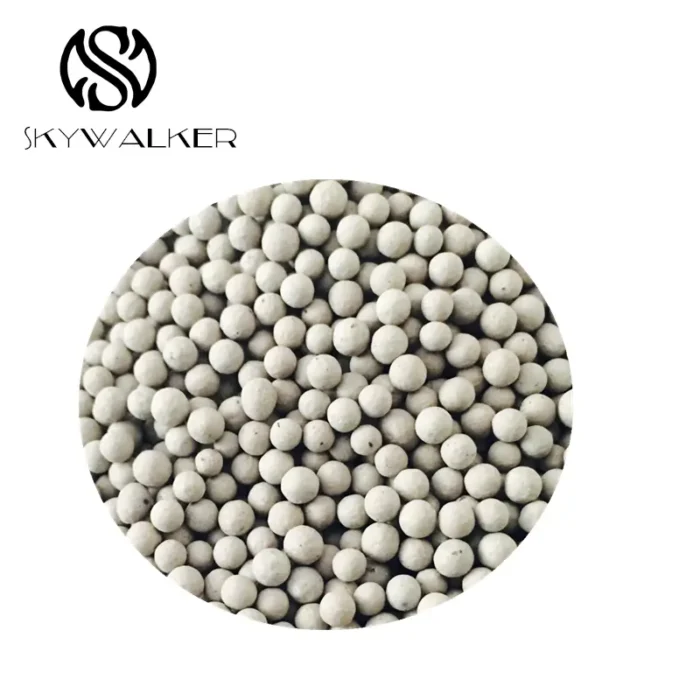
Recognizing enhanced decolorizing aggregate demands a in-depth examination of its aspects. This unusual compound is extensively utilized in the cleaning of hydrocarbons, effectively clearing defects. The processing procedure typically involves mechanical treatment, improving its adsorption power to engage colored compounds. In conclusion, this manual will delve into the foundation behind activated bleaching earth and its utilizations.
Lightening Aggregate Companies: Finding the Ideal Source
Attaining a solid company of activated clay is vital for many fields, particularly those involved in oil refining. Choosing the ideal company requires detailed consideration beyond just expense. Review their background in whitening compound sourcing, their inspection procedures, and their efficiency to consistently deliver your volume needs. A good bleaching earth supplier will also offer technical support and a range of grades to match your specific application.
Distinct Basis Behind Improved Detoxifying Mineral
Enhanced bleaching compound, a cornerstone at the refining approach for edible oils, functions through a fascinating integration of adsorption and chemical processes. Initially, naturally occurring montmorillonite is activated – a procedure involving heat and materials – to drastically increase its surface reach. This expanded surface grants an immense number of positions for the specific adsorption of color pigments, contaminants, and inappropriate odor compounds. The mechanism is primarily weak bonding, where molecules are held by weak van der Waals contacts, though some ionic adsorption can also happen with certain substances. This results as a consequence of a significant diminution of color and betterment of the oil's appearance and essence.
Purifying Material - Specifications and Purposes
Purifying clay: earth, frequently identified china earth, displays unique specifications that justify it very valuable across broad selection of branches. Its fundamental attribute is its outstanding lightness, emanating from its low trace element amount. This element permits it ideal for utilizations needing a vivid visual aspect. Supplementary to its tint, bleaching compound is typically pliable and possesses remarkable workability, supporting it to be readily fashioned. Typical roles include cardboard production, synthetic improvement, health blends, beauty materials, and as an absorbent compound in countless manufacturing procedures. As well, it finds function in artificial minerals and paint markets.
Appointing the Ideal Prepared Lightening Earth for Specific Uses
Identifying the appropriate whitening mineral can be a sophisticated procedure, as diverse applications need distinct properties. Take into account the category of material you’re operating on; some earth are superior for herbal oils, adsorbent clay while diverse varieties are customized towards animal fats. Considerations like texture and clarification strength notably influence performance.
- Evaluate the tint and aroma magnitude of the ingredient to fix the mandated bleaching degree.
- Review the granularity; smaller particles generally deliver higher surface area, but may create screening challenges.
- Comprehend the humidity degree as it alters the compound’s detoxifying effectiveness.
Purifying Compound: Fabrication Techniques and Assurance
The fabrication of bleaching earth, a widely utilized material for oil refining and chemical purification, involves several key procedures. Initially, montmorillonite is mined and then subjected to modification via heat effect and/or chemical change. This technique enhances the filtering properties of the earth. Thereafter, rigorous value reviews are implemented, featuring measurements of portion size division, fuel adsorption potential, and moisture ratio. Cutting-edge analytical approaches, such as BET analysis and formal assessment, are employed to validate a stable output that aligns with stringent standards.
Environmentally Responsible Sourcing of Modified Bleaching Substance
The increasing demand for activated bleaching earth presents a key challenge regarding its harvesting and environmental ramification. Customary sourcing methods can result in habitat ruin and reduction of natural resources. Consequently, a reorientation towards sustainable sourcing is imperative. This involves prioritizing practices like revegetation of mined areas, leveraging waste remnants from other industries for manufacture, and assisting indigenous communities to support ethical and conscientious mining methods. Furthermore, validation schemes and detailed inspection processes are crucial to confirm that the compound is obtained in a truly renewable manner. Concerns should also include lowering heat consumption during refining and moisture usage.
- Land rehabilitation efforts
- Employing waste materials
- Cooperating with local communities
- Certification schemes
Purifying Mineral Provider Guide: Chief Firms Positioned
Obtaining a reliable earth distributor can be a issue, but our comprehensive compilation aims to streamline the process. We’ve painstakingly organized data and ranked leading organizations in the bleaching earth domain. This report highlights major producers known for their product and aid, allowing users to source the best source for their particular needs. Many factors, including processing volume, catalog, and testimonials, were assessed in determining these prime classifications.
Decoding Activated Bleaching Earth Performance Metrics
To aptly estimate the quality of activated bleaching earth, it’s important to comprehend key technical metrics. These parameters often include color rating, typically measured using a meter, which demonstrates the earth’s ability to extract color from oils. Additionally, acid degree is vital, as it modifies the bleaching process; a higher intensity usually aligns with improved detoxification capabilities. Finally, sorptive area, often evaluated via BET analysis, noticeably impacts the earth’s capacity to collect colorants, ultimately guiding its overall refining potency.