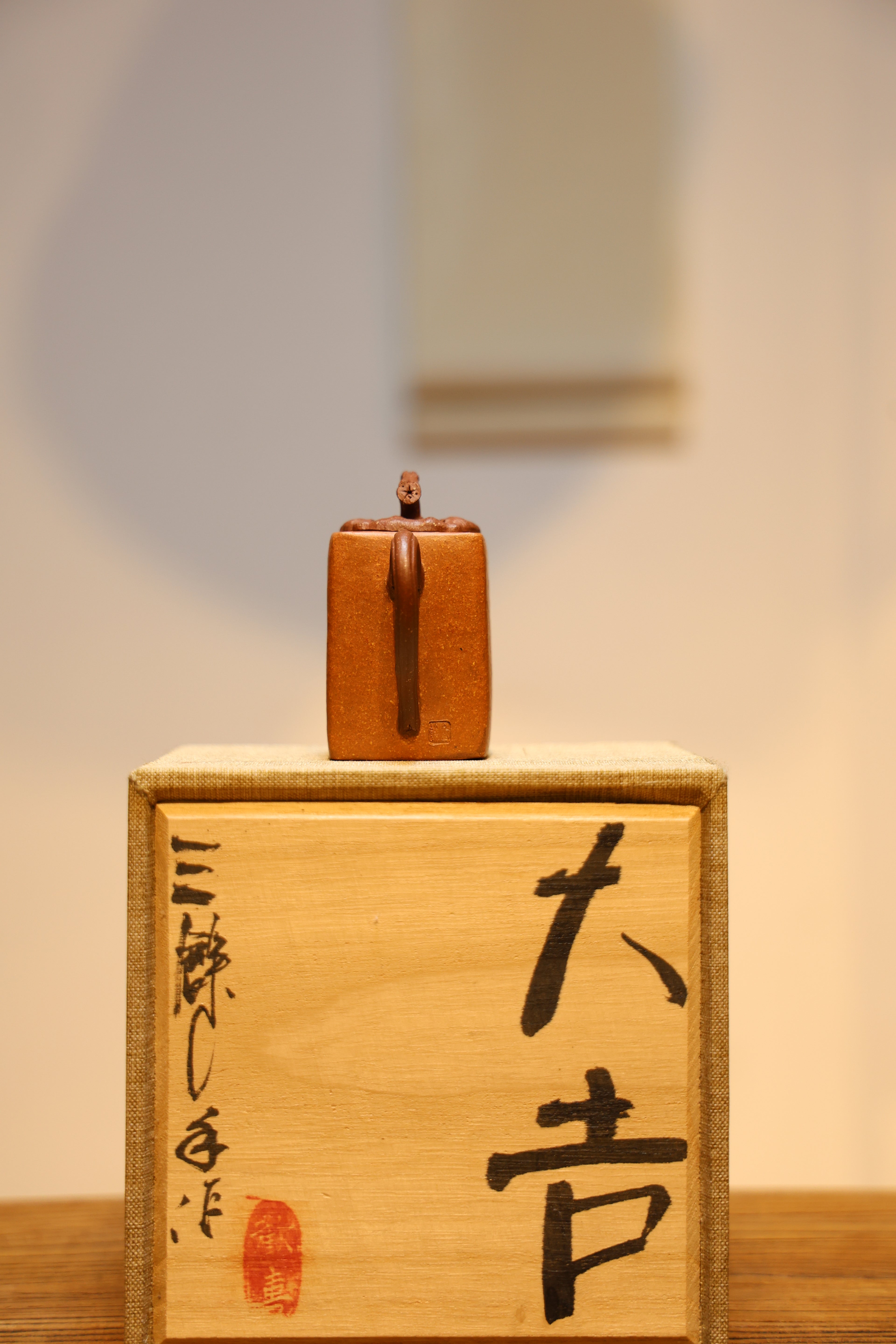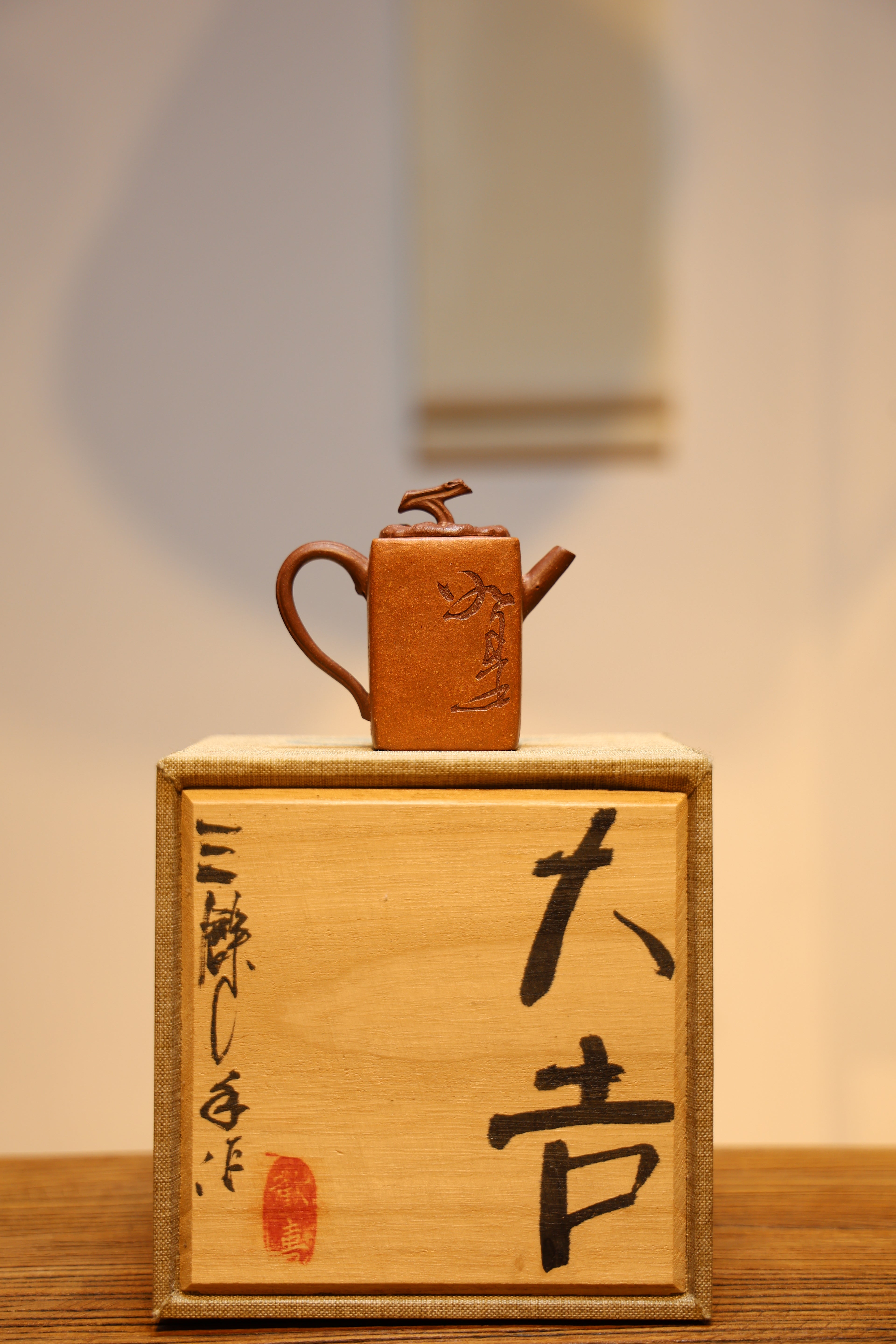
Times in experts have long cherished the particular fascination of Yixing Zisha containers. Hailing in the cozy town of Yixing, the republic, these teapots are crafted from a exotic and recovered purple clay recognized for its remarkable thermal qualities and facility to intensify the essence of brews. Other than their utilitarian importance, Zisha teapots represent a lasting customary inheritance, rendering them markedly coveted and a true wonder for any ardent teapot lover.
Surveying Yixing Containers
Such teapots highlight a extraordinary blend of history and experienced craftsmanship. Rooted in Yixing, Jiangsu Area of China, their narrative commences in the Ming Dynasty, although traces suggest earlier manifestations. The exceptional reddish-brown clay, called Zisha, found just in the Yixing region, is the crucial component, contributing to the pots' impressive heat holding and the manner they influence the profile of tea. Generations of potters have improved techniques—often transmitted through families—including crafting the clay, applying intricate embellishments, and firing the pots at accurate temperatures.- Traditionally, Yixing teapots were often furnished with simple designs.
- Later, more advanced carvings and figurative motifs became favored.
- The kiln firing itself is a vital element, requiring decades of practice.
Acquiring Zisha Teapots: Vital Checkpoints
Beginning a expedition to collect Zisha pots can be fruitful, but it’s essential to grasp what to inspect. Authenticity is paramount; focus on the material’s natural pigment, a delicate reddish-brown is characteristic. Examine the consistency; genuine Zisha has a distinctive tactile sensation, often defined as slightly rugged. The morphology should be aesthetically sound and consistent with time-honored styles, while inscriptions, if present, require painstaking examination for authenticity. Don’t refrain to consult with skilled authorities or credible materials – their expertise is immeasurable.
Chinese Clay Pots: Investigating the Practice of renowned Zisha
Ages have seen Yixing Zisha Clay teapots retain a distinguished role in Chinese custom. These beautifully crafted pots, sourced primarily from the territory of Yixing, are noted for their singular tint, grain, and their ability to amplify the bouquet of potions. Scores of collectors collect antique Yixing teapots, admiring them significantly not only for their aesthetic elegance, but also for the legacy they signify.
Yixing Zisha Teapots: Exceptional Foremost Forms and Their Traits
Purple Earthenware teapots, established in the renowned territory of Yixing, the Chinese territory, are noted for their special clay and exceptional brewing capabilities. Amidst the different Zisha types, particular forms that are highly prized include Binzhou Purple Sand. Binzhou, known for its bold purple shade and silky texture, delivers a delicate flavor. Duan Ni subclass, recognizable by its brownish color and somewhat grainy feel, is viewed to enhance the fullness. Lastly, Zhuni Zisha boasts an exceptional carmine tone and can give a sweet nuance. Each category delivers a different experience, facilitating them notably desirable with tea enthusiasts.
Understanding Personal Purple Clay Jar
To access the magic of your Yixing urn, learning the correct approach is fundamental. These clay teapots, celebrated for their porosity, will successively incorporate the essence of the tea you infuse within them. Begin by washing the urn thoroughly with clean water. Then, use only select natural leaf tea, as lower quality options can ruin the item’s delicate aroma. Always give the leaves to spread completely, and remember that with each serving, your Yixing pot will become more distinct.
Protecting Your Invaluable Zisha Artifact
Proper treatment for your Zisha teapot is important to preserving its quality and appreciation. Zisha clay, hailed for its unique nuance and feel, requires precise handling. Never use harsh solutions, as these can harm the coating. After every utilization, rinse the Yixing Teapot vessel with comfortably warm water and allow it to dry completely.
- Eschew soaking the urn for extended times.
- Sometimes use a soft cloth to buff the exterior.
- Deliberate applying a thin layer of food-grade mineral oil inside the pot after drying, which can avoid staining.
Fundamentals of Yixing Kettles
Yixing pitchers, originating from the Yixing area in Jiangsu Province, part of China, are celebrated for their distinctive peculiarities. Made from the unique purple ground known as Zisha, these jars are prized by liquid enthusiasts worldwide. This guide will gently explain the essentials – covering sorts of Zisha matrix, popular shapes, and vital care recommendations. Understanding the foundation of Yixing pitchers can heighten your appreciation for this traditional example of Eastern custom.
Expertise of Oriental Kettles: Highlighting Zisha originating in the Yixing region
Zisha earth from the Yixing district represents the apex of Oriental pitcher design, demonstrating a uncommon concoction of natural beauty and functional artistry. These remarkable pieces are recognized for their deep color schemes, often extending between intense purples and red hues to soft greys and pale beiges. The distinctive mineral composition of the area’s Zisha ground imparts a typical texture and creates a agreeable aroma that enhances the overall tea experience, making them exceptionally admired collectibles and key components of any serious practice.