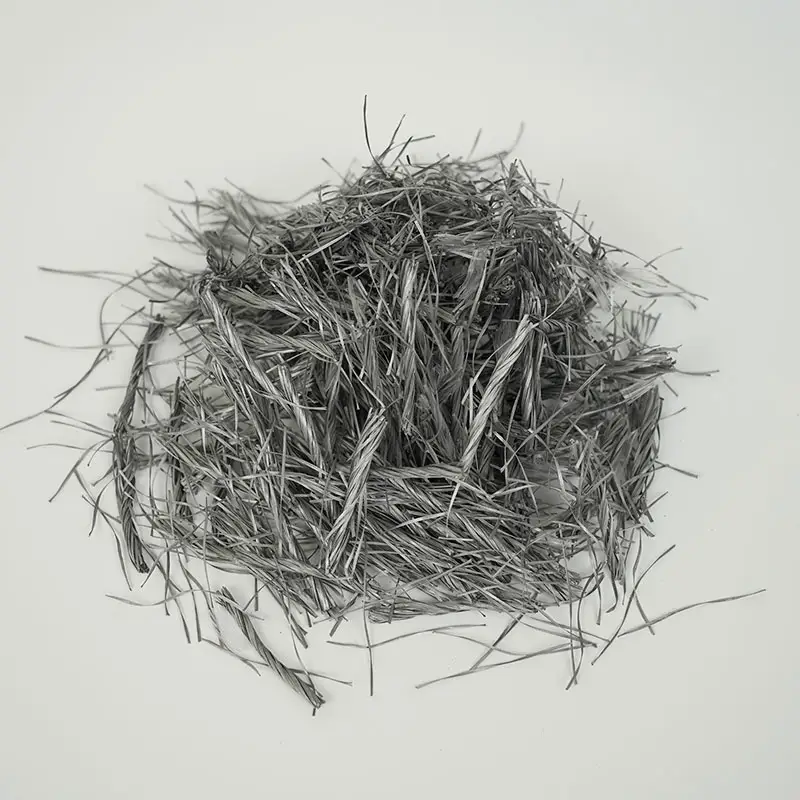
Embarking in-depth evaluation concerning synthetic fiber strand uses across the scope of concrete installations.
Polyethylene thread offers particular reliable approach for boosting stability plus bendability throughout masonry. The minute fibers serve as ordinarily incorporated across the batch preparation, restraining fissure expansion together with raising durability against compressions. Thus, the embedding of polypropylene elements makes masonry builds substantially strong together with sustainable
Plastic fibre towards development implementations: Key Complete Summarization
PP components are extensively incorporated inside the constructive sphere as an powerful approach for boosting service life and output. These small elements, generally measuring over 0.5 and 12 mm in proportion, deliver a assortment of upside, such as lowered shrinkage and yielding distortion. Opposed to conventional steel stiffening, polypropylene pieces are airy, oxidation-resistant, and have the capacity to be conveniently dispersed into the cementitious.
- Lessens fractures
- Strengthens stability to impact
- Provides improved performance
- Decreases assembly fees
Pros of Adopting Plastic strands for cementitious uses
Incorporating polymer components in composite renders diverse pros. It substantially boosts durability of specific aggregate, lowering splitting caused by settling. Furthermore, these filaments exhibit distinguished withstanding capability to pressure and erosion, making buildings significantly dramatically tough. In conclusion, the minimal-mass character of PP parts supports manipulation and decreases whole undertaking outlays.
Means Plastic reinforcements reinforces aggregate fabrications
PP reinforcements methodology offers specific advanced method to fortify the sturdiness of masonry constructions. In distinction from traditional steel mesh, polypropylene threads are minute and balanced throughout the composition during construction. These polymeric components primarily engage by curbing the creation of clefts polypropylene concrete fiber caused by shrinkage and warmth-related pressure. Precisely, they serve micro-reinforcements, connecting small holes and stopping the growth of aggregate damage. Additionally, polypropylene elements are slim, cost-effective, and resistant to degradation, affording them a feasible proxy for certain purposes.
- Merits of Polypropylene Strengthening
- Lessened Gap Progression
- Boosted Toughness
- Price Benefit
Appointing a optimal Olefin filament towards designated concrete composition
Adequately infusing PP thread amid targeted cementitious calls for detailed examination. A form relating to component you select considerably shapes ultimate efficacy and workability for their material. Criteria namely component magnitude, correlation, and chemical interaction are vital within attaining ideal rewards.
Expense Management and Reliability of Polypropylene-based Construction Component
Composite pieces in composite present meaningful cost-effectiveness in comparison to traditional steel reinforcement. Though the opening capital may be minimally amplified, mitigated handling charges pertaining to assembly and the enhanced operational life of structures bring in gratifying gains. Besides, synthetic filaments enhance structural stress sturdiness, lessen fissures, and amplify complete endurance, hence making them a practical replacement for a varied series of functions.
Novel Purposes of Plastic strands within cement-based compound
Recent explorations indicate groundbreaking purposes for olefin reinforcement in the architectural field. These petite elements substantially augment material's durability, distinctly concrete's facility to resist cracking and densification. Specific manifestations include reactive composite mixtures where strand expirates embedded rejuvenation substances upon harm, and minimal-mass construction for tailored operations in the flight and engine-powered sectors. Uninterrupted analysis advances underway to boost output and monetary soundness of this hopeful approach.
Grasping those Qualities of Synthetic Composite Filament
Resin-based strands in cement applications exhibit notable traits that substantially condition the performance for improved aggregate applications. These components are regularly constructed from melt-spun PP compound, leading to a lightweight and pliable component. Main gains include:n
- Enhanced split durability
- Amplified load strength
- Reduced volume loss breakage
- Recognized agent steadfastness
Resin-based Thread versus Opposing Structural Armoring Alternatives
During examining building jobs, the decision of fortification elements is critical. PP fiber has emerged as a suitable stand-in to normal alloy armoring. While iron offers high tensile capacity, it is at risk of wear, heightening upkeep expenses. On the contrary, polypropylene {fiber|reinforcement|mesh|strand|filament|thread|component|