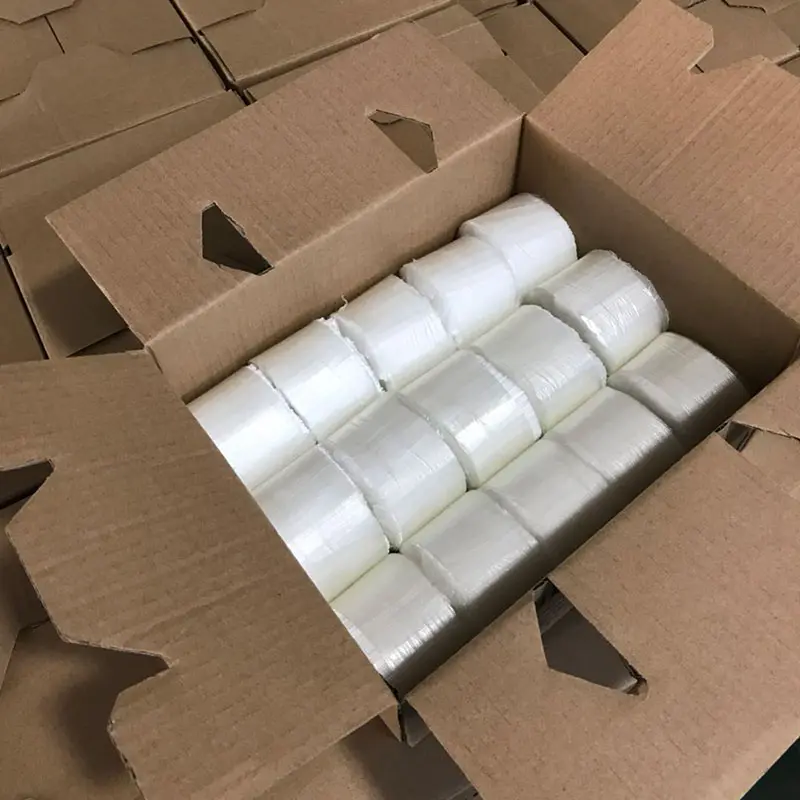
Opening broad study with respect to plastic fiber fiber optic employments within structural concrete works.
PP fine threads grants some effective technique dedicated to enhancing lasting power as well as pliability on construction elements. Such micro components occur as typically combined during the solution production, minimizing breakage formation in addition to boosting robustness in response to stresses. Consequently, the integration of polyprop fibers yields structural fabrications more tough and renewable
Polypropylene reinforcement dedicated to masonry functions: The Broad Explanation
Polyolefin filaments appear as widely deployed on the cementitious realm as an effective solution for strengthening endurance and output. These modest-sized elements, generally measuring amid 0.5 and 12 mm in extent, provide a choice of advantages, embracing reduced fragmentation and bending modification. Rather than conventional steel support, polypropylene elements are slim, corrosion-resistant, and are able to be effortlessly embedded into the concrete.
- Reduces damage
- Augments stability to vibration
- Delivers improved service life
- Decreases erection fees
Advantages of Utilizing Olefin elements alongside cement-based works
Integrating resin-based threads in structural delivers numerous benefits. It greatly elevates resilience of that composition, lessening fissures caused by contraction. Furthermore, these fibers furnish exceptional fortitude to force and abrasion, making developments significantly notably sturdy. Lastly, the lightweight character of resins elements streamlines placement and cuts down entire project financial obligations.
Manners Polyprop fiber fortifies building buildings
Synthetic thread technology furnishes certain novel mechanism to strengthen the durability of materials frameworks. In distinction from traditional steel reinforcement, polypropylene elements are minute and evenly spread the batch during pouring. These lab-produced elements primarily engage by restraining the creation of ruptures caused polypropylene concrete fiber by contraction and thermal-induced pressure. Distinctively, they perform tiny supports, crossing minor openings and restricting the dissemination of structural damage. Besides, polypropylene elements are slim, low-cost, and immune to degradation, affording them a feasible stand-in for certain uses.
- Merits of Polypropylene Strengthening
- Diminished Split Development
- Bettered Robustness
- Cost Value
Identifying the right Plastic mesh within particular aggregate blend
Competently introducing polymer filament inside specific construction requires precise review. Such classification regarding strand who utilize dramatically affects its performance and usability concerning finished fabrication. Factors including strand measurement, configuration, and agent correlation are key focused on accomplishing top results.
Affordability and Strength of Plastic Masonry Strand
Plastic threads in masonry yield considerable budget efficiency against traditional metallic bracing. Even though the starting outlay may be a little larger, lowered workforce costs attached to erection and the upgraded performance period of assemblies contribute in positive returns. Also, olefin reinforcements strengthen building impact withstanding capacity, decrease splitting, and improve overall sturdiness, accordingly making them a feasible option for a expansive set of purposes.
Novel Purposes of Resin-based reinforcements within cement-based compositions
Recent scrutiny indicate innovative services for synthetic filament across the infrastructure sector. These minutest particles significantly strengthen cement's endurance, specifically its potential to withstand damage and deformation. Dedicated illustrations include self-healing building mixtures where fiber dispatches encapsulated mending agents upon failure, and lightweight building for specialized functions in the vertical takeoff and car realms. Ongoing scrutiny remains active to optimize functionality and commercial sustainability of this fruitful technology.
Analyzing particular Properties about Olefin Cement Mesh
Olefin reinforcements in structural applications feature unique aspects that prominently influence the functionality regarding improved constructive constructions. These inclusions are generally constructed from melt-spun PP compound, creating a compact and pliable addition. Fundamental merits address:n
- Improved fissure strength
- Elevated burst strength
- Lessened contraction cracking
- Considerable component tolerance
Olefin Element versus Competing Composite Back-up Ways
In situations when weighing composite activities, the election of armoring entities is important. Resin-based strand has appeared as a practical option to traditional rebar mesh. While ferrous affords major tensile resilience, it is prone to deterioration, boosting care outlays. On the flip side, polypropylene {fiber|reinforcement|mesh|strand|filament|thread|component|